
Many U.S. timeshare owners ask what happens if they stop paying their timeshare, and the answer is direct: the consequences are serious, progressive, and long-lasting. Missed payments trigger late fees, collection activity, credit damage, and ultimately foreclosure. Walking away without a formal exit plan is never a safe option.
The financial obligations tied to a timeshare do not disappear simply because an owner stops making payments. Resorts and lenders have established legal processes specifically designed to pursue unpaid balances. Understanding exactly how that process unfolds across the U.S. is the most important step an owner can take before making any decision.
What Happens When You Stop Paying Your Timeshare?
When a U.S. timeshare owner stops making payments, the resort initiates a structured response that begins with late fees and escalates through collections, legal action, and foreclosure. This process moves fast and leaves a lasting mark on financial records.

According to the American Resort Development Association, timeshare maintenance fees across the U.S. have increased by an average of 8% annually over the past decade. For owners already stretched thin, a single missed payment can start a chain reaction that takes years to recover from.
Late Fees and Penalty Charges
The first consequence of a missed payment is the immediate application of late fees and penalty charges. Most timeshare contracts include penalty clauses that compound quickly, turning one missed payment into a growing balance in a matter of weeks.
Resorts across the U.S. treat unpaid maintenance fees with the same seriousness as unpaid mortgage installments. Even a deeded timeshare classified as real property allows the developer to accelerate the full loan balance once payments fall behind, making the total amount owed due immediately.
Collection Agencies and Debt Recovery
If the resort's internal collection efforts fail, the unpaid debt is transferred to a third-party collection agency. At that point, the debt appears on the owner's credit report, and collection calls become a daily reality.
The Federal Trade Commission's debt collection resource for U.S. consumers confirms that while the Fair Debt Collection Practices Act protects consumers from abusive collection tactics, the underlying debt remains legally enforceable. Owners cannot avoid the debt by refusing contact with collectors.
How Resorts Handle Missed Payments
Resorts across the U.S. follow a defined escalation path when owners stop paying. The process moves from internal notices to third-party collections to formal legal action, and each stage creates additional financial and legal exposure for the owner.
The Federal Trade Commission's official timeshare consumer resource confirms that timeshare developers have legal mechanisms to pursue unpaid obligations, and that simply ignoring the debt does not eliminate it. The obligation remains tied to the owner until it is formally resolved.
Communicating With the Resort
Many U.S. timeshare owners make the mistake of going silent when they can no longer afford payments. Direct communication with the resort, while uncomfortable, is always preferable to silence. Some developers offer hardship programs or internal exit options that are never publicly advertised.
Contacting the resort before falling behind gives owners more leverage. Once default proceedings begin, the resort's legal team takes over, and the opportunity to negotiate informally narrows significantly. Early communication preserves more options.
Exploring Timeshare Exit Options
A formal, legal exit is the only way to stop timeshare payments without triggering the full cascade of financial consequences. Exit options include negotiated surrenders, legal cancellation based on contract violations, and professionally managed exit processes backed by qualified professionals.
The contract analysis service at Timeshare Exit Today reviews every clause of an owner's agreement to identify legal vulnerabilities, disclosure failures, and exit pathways that most owners are unaware of. This is always the first step before any action is taken.
The Risk of Collections and Foreclosure
Timeshare foreclosure is a real legal process across the U.S. that mirrors residential foreclosure in both procedure and consequence. A deeded timeshare is classified as real property, which means the resort can initiate either a judicial or nonjudicial foreclosure process depending on the state.
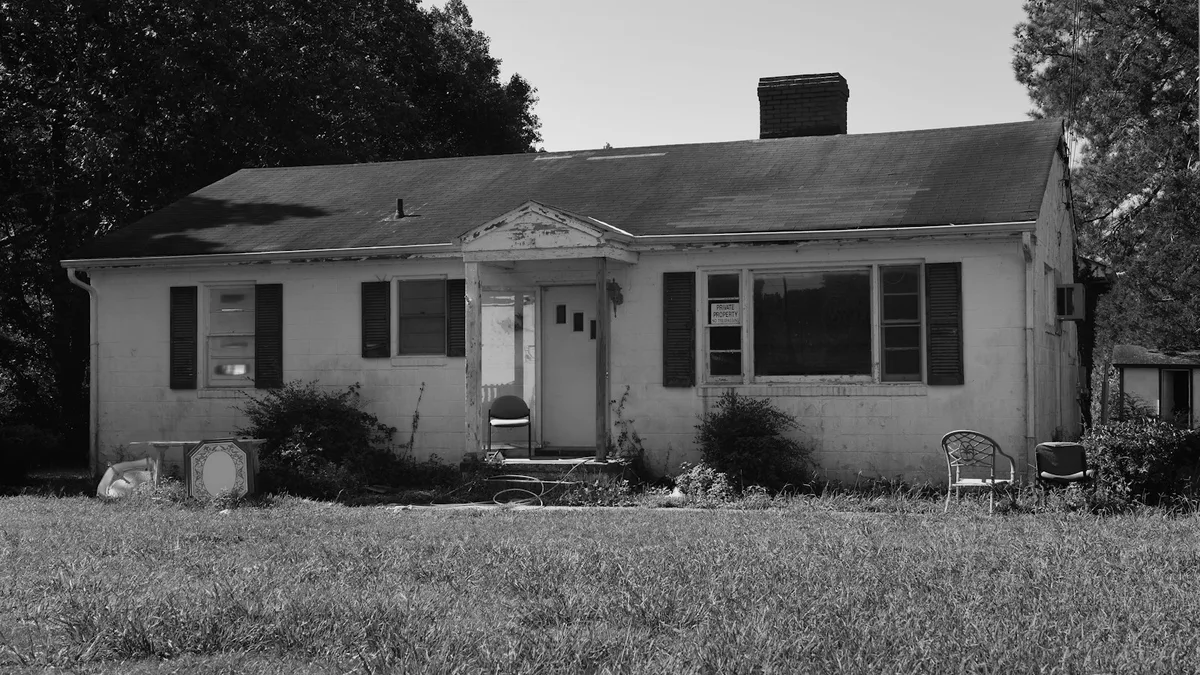
According to the Consumer Financial Protection Bureau, foreclosure carries severe and lasting consequences for credit that affect a consumer's ability to borrow money and qualify for future housing. These consequences apply equally to timeshare foreclosures across the U.S.
Timeshare Foreclosure Explained
The timeshare foreclosure process in the U.S. typically begins after three to six months of missed payments. The resort issues a formal notice of default, sets a cure period for the owner to catch up on payments, and proceeds with foreclosure if the balance is not resolved.
Foreclosure proceedings become part of the public record regardless of whether the developer directly reports them to credit bureaus. Because bureaus actively search public records, a timeshare foreclosure almost always appears on the owner's credit history.
Can a Timeshare Affect Your Credit Score?
A timeshare absolutely affects a U.S. owner's credit score once payments are missed. Delinquencies, collection accounts, and foreclosure entries all appear on credit reports and remain there for up to seven years from the date of the first missed payment.

Nolo, a widely recognized U.S. legal information resource, reports that a timeshare foreclosure typically drops a FICO credit score by 100 points or more. Owners with higher scores before default suffer the most significant drops, and the damage affects mortgage eligibility, auto loans, and other forms of credit for years.
Credit Report and Score Impacts
The timeline of credit damage from a timeshare default follows a predictable pattern. Each missed payment generates a delinquency report if the resort or lender reports to credit bureaus. Collection agency involvement creates additional negative entries. Foreclosure completion adds a major derogatory mark.
Introducing the STOP-LOOK-ACT Framework for U.S. timeshare owners facing payment difficulty:
- S — Stop: Do not make any informal agreement or stop payments without professional advice
- T — Total: Calculate the full remaining obligation including fees, loan balance, and penalties
- O — Options: Identify formal exit pathways before any payment is missed
- P — Protect: Engage credit protection services before the resort initiates collection action
- L — Legal: Consult professionals who understand timeshare contract law in your state
- O — Outcomes: Understand the full credit and legal consequences of each available path
- C — Commit: Choose a formal exit strategy and execute it completely
- K — Keep: Maintain documentation of all communications throughout the process
- A — Act: Initiate the formal process before default begins
- T — Track: Monitor credit reports from the first day of the exit process
Expert tip: The single most costly mistake U.S. timeshare owners make is waiting until they have already missed payments before seeking professional help. Once default begins, the available exit pathways narrow and the credit consequences accelerate. Acting before the first missed payment always produces better outcomes.
Legal Consequences of Defaulting on a Timeshare
Defaulting on a timeshare in the U.S. carries legal consequences that extend beyond credit damage. Developers can pursue deficiency judgments against owners if the foreclosure sale does not cover the full outstanding balance. In some states, this exposes owners to wage garnishment and bank account levies.
Tax liabilities are also a real risk. When a lender forgives a timeshare debt through foreclosure or deed-in-lieu, the forgiven amount may be reported to the IRS as taxable income. This outcome catches many U.S. owners completely off guard.
Understanding State-Specific Laws
Timeshare law in the U.S. is governed at the state level, and the consequences of default vary significantly depending on where the property is located. States like Florida and California have detailed timeshare statutes with specific foreclosure procedures, while other states apply broader real property law with fewer consumer protections.
Owners whose timeshares are located in states with strong consumer protection frameworks have more negotiating leverage during the exit process. Identifying state-specific protections is a critical part of any formal exit strategy.
Alternatives to Stopping Payments
The alternatives to simply stopping payments include negotiated surrenders through the developer, deed-in-lieu arrangements, legal cancellation based on misrepresentation, and formal exit through a qualified professional service. Each option produces different outcomes for credit, tax liability, and legal exposure.
The legal support team at Timeshare Exit Today includes experienced attorneys who specialize exclusively in timeshare law and consumer protection, giving U.S. owners the professional representation needed to negotiate effectively with resort legal departments.
Protecting Yourself From Exit Scams
The timeshare exit industry across the U.S. includes fraudulent operators who collect large upfront fees and deliver nothing. Scam companies typically guarantee results in specific timeframes, demand payment before any work begins, and vanish once they have collected fees.
U.S. owners should verify that any exit company carries an A+ Better Business Bureau rating, provides written contracts with clear fee structures, and offers a documented money-back guarantee. These markers separate legitimate professionals from fraudulent operators.
Steps to Take Before Falling Behind
The most effective action a U.S. timeshare owner can take is to pursue a formal exit before the first payment is missed. Every week of delay narrows the available options and increases the total financial exposure.
A practical pre-default action checklist for U.S. timeshare owners:
- Locate and review the original timeshare contract and all amendments
- Identify the exact maintenance fee schedule and upcoming due dates
- Document any discrepancies between verbal sales promises and written contract terms
- Request a payoff statement showing the full remaining loan balance
- Contact a qualified timeshare exit professional before missing any payment
- Enroll in credit protection services from day one of the exit process
- Avoid any company demanding large upfront fees before beginning formal exit work
Mini case study: A U.S. couple in their mid-50s stopped making timeshare payments after deciding the property was no longer worth the rising costs. Within 90 days, the resort transferred the debt to a collection agency. Within six months, a formal notice of default was issued. Their credit scores dropped significantly, and they faced a potential deficiency judgment after foreclosure. A formal exit initiated before the first missed payment would have resolved the obligation without credit damage or legal action.
Frequently Asked Questions
What happens immediately after missing a timeshare payment in the U.S.?
The resort applies late fees and begins internal collection efforts. If the balance is not resolved quickly, the debt is transferred to a third-party collection agency, which reports the delinquency to credit bureaus. This sequence can begin within 30 to 60 days of the first missed payment.
Will a timeshare foreclosure affect my ability to get a mortgage?
Yes. Foreclosure appears on credit reports for up to seven years and is treated by lenders similarly to a residential foreclosure. It can result in mortgage denial, higher interest rates, or reduced credit access during that period, significantly affecting major financial decisions.
Can the resort sue me after a timeshare foreclosure?
In some U.S. states, resorts can pursue a deficiency judgment if the foreclosure sale does not cover the full outstanding balance. This can lead to wage garnishment or bank levies depending on state law. Legal counsel is essential before allowing default to proceed.
Is there a way to exit a timeshare without damaging my credit?
Yes. A formal legal exit initiated before default begins is the most credit-safe path. Professional services that include credit monitoring and legal representation throughout the process can achieve a complete contract termination while protecting the owner's credit profile.
Conclusion
Stopping timeshare payments across the U.S. without a formal exit plan triggers a sequence of consequences that affects credit scores, legal standing, and long-term financial health. Late fees, collection activity, foreclosure, and potential tax liability are all real outcomes that follow unpaid timeshare obligations.
Timeshare Exit Today has helped more than 10,000 U.S. families achieve clean, legal exits from their timeshare contracts while protecting their credit from day one. Backed by nearly a decade of real estate and timeshare expertise, an A+ BBB rating, and a 100% money-back guarantee, the team is ready to review your situation and identify the right path forward. Schedule your free, no-obligation consultation today before a missed payment changes everything.
blogger
Timeshare Exit Today helps thousands of timeshare owners exit their contracts legally and permanently. Our team provides expert guidance with a 100% money-back guarantee.
Free Consultation