
A timeshare deed back program lets an owner voluntarily transfer their deeded interest back to the resort or developer. When accepted, ownership ends and future maintenance fee obligations stop. Not every resort offers one, and not every owner qualifies.
Deed back is the cleanest exit path when it is available. The difficulty is that eligibility rules are set by the resort, applied inconsistently, and rarely published in full. Understanding the requirements before you apply saves months of stalled correspondence.
What Is a Timeshare Deed Back Program?
A timeshare deed back program is a resort-administered process for accepting the voluntary return of a deeded ownership interest. The owner signs the deed back to the developer or association, and the ownership obligation ends on transfer.
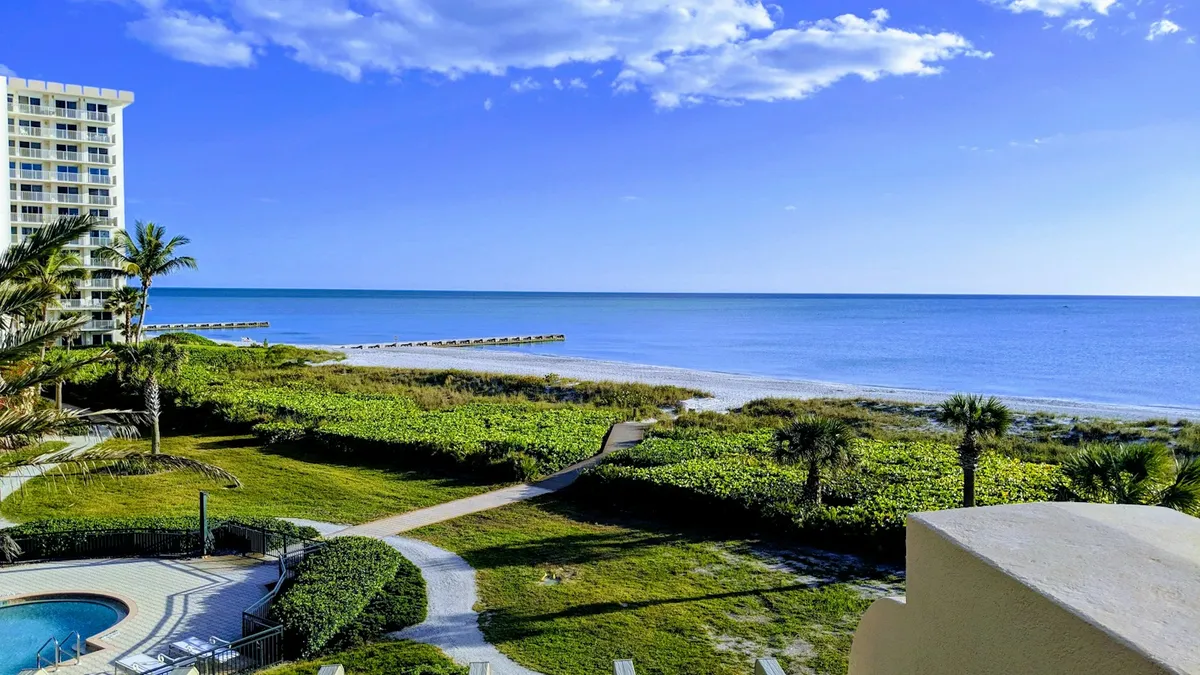
Owners exploring exit options across the U.S. should understand the risk landscape first. The Federal Trade Commission publishes consumer information on timeshares, vacation clubs, and related scams, which explains the warning signs of upfront-fee schemes targeting owners who want out.
Is a Deed Back the Same as Timeshare Surrender?
The terms are used interchangeably in practice. Deed back, surrender, relinquishment, and take-back all describe the same outcome: the owner voluntarily gives up the interest and the resort accepts it. The label varies by company, not the mechanism.
What matters is whether the transfer is documented and recorded properly. A verbal agreement or an unrecorded transfer leaves your name attached to the property. Owners across the U.S. should insist on written confirmation and a recorded deed showing the interest is no longer theirs.
Can All Resorts Accept a Timeshare Deed Back?
No. Deed back programs are voluntary. A resort has no legal obligation to take back a deeded interest, and many decline routinely. Some operate formal programs with published criteria. Others handle requests case by case with no stated standard at all.
Right-to-use and points-based memberships work differently from deeded weeks. If your ownership is not a recorded deed, there may be no deed to return, and the exit runs through the contract terms instead. Confirming which type you hold is the first step.
Who Qualifies for a Timeshare Deed Back Program?
Most resorts require the same three conditions: the purchase loan must be paid in full, maintenance fees and assessments must be current, and the title must be clear of liens. Owners meeting all three have the strongest position.
Credit standing matters throughout this process. The Consumer Financial Protection Bureau explains how credit reports and scores work, which is worth reviewing before making any decision that could result in a reported delinquency.
Do You Need to Pay Off the Timeshare Before a Deed Back?
Yes, in nearly every case. A resort will not accept a deed encumbered by an outstanding purchase loan, because taking it back would mean absorbing the debt. Clearing the balance is usually a precondition rather than a preference.
Run the DEED Check before applying:
- D is Debt. The purchase loan is paid in full.
- E is Establishment fees. Maintenance and assessments are current.
- E is Eligibility. The resort confirms a program exists for your ownership type.
- D is Documentation. Deed, contract, and payment records are gathered.
Expert tip: request the resort's deed back criteria in writing before you submit anything. Verbal eligibility statements from a call center change between representatives. A written policy gives you something to hold the resort to when your file stalls.
Can You Deed Back a Timeshare With Maintenance Fees Owed?
Some will negotiate. A resort that would otherwise face collection costs and a vacant week sometimes accepts a partial settlement to close the file cleanly. That negotiation goes further when handled through established timeshare cancellation services rather than by an owner making a first attempt alone.
How Does a Timeshare Deed Back Program Work?
The process runs in four stages: confirm the program exists, submit an application with documentation, wait for review and approval, then execute and record the transfer deed. The resort controls the timeline at every stage.
Owners frequently discover the contract terms matter more than the program rules. A detailed contract analysis identifies exactly what your agreement permits, what the resort is obligated to do, and which exit routes your specific document actually leaves open.
What Documents Are Needed for a Deed Back?
Prepare six items: the recorded deed, the original purchase contract, a current maintenance fee statement, proof the loan is paid in full, government-issued identification for every titled owner, and any correspondence with the resort about your account.
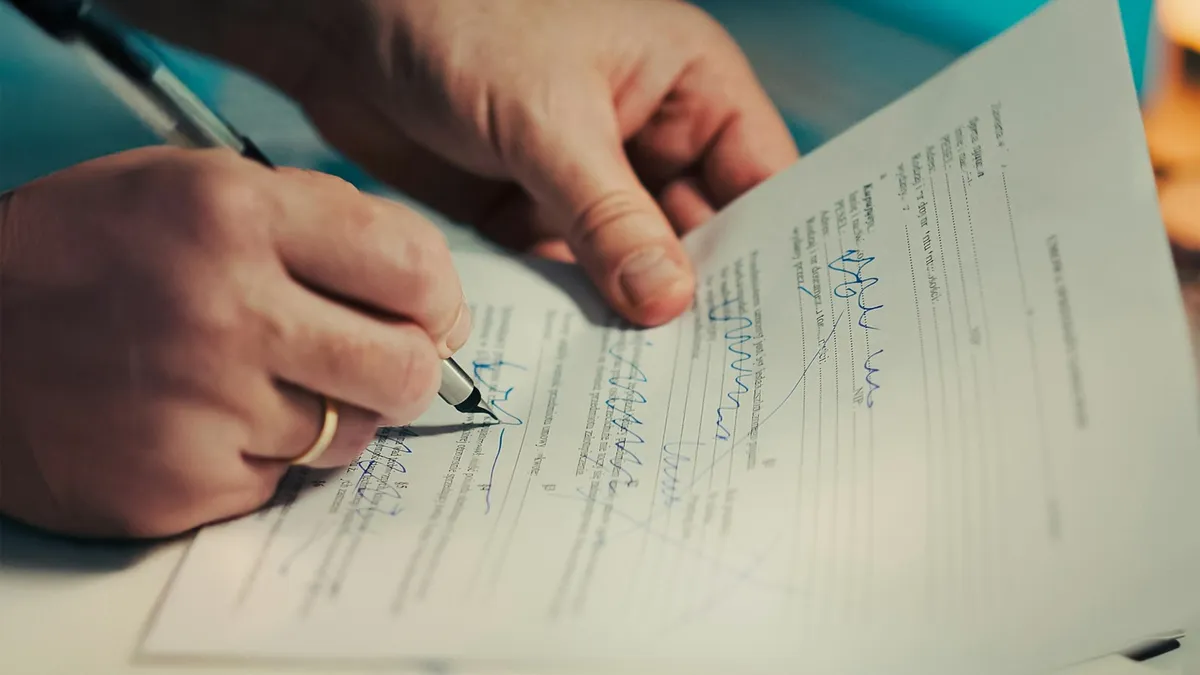
Missing documents are the most common cause of delay. County recorder offices can supply a copy of a lost deed. Resorts can supply account statements. Gathering everything before you apply prevents the file from sitting in a queue while the resort waits on paperwork you could have sent upfront.
How Long Does the Deed Back Process Take?
Consider an illustrative case. An owner with a paid-off week and current fees submits a complete deed back application. The resort acknowledges receipt, requests one additional document, then approves and records the transfer over the following months.
Now consider the same owner with an incomplete file. Each missing item restarts the review queue. The difference between those two timelines is entirely documentation, not negotiation. Complete submissions move. Incomplete ones sit, sometimes for a very long time.
What Are Your Options If the Resort Refuses the Deed Back?
Refusal is common and does not end your options. Owners can pursue contract-based termination, negotiate a settlement, or engage professional representation. What owners should not do is simply stop paying and hope the problem resolves itself.
If your purchase is very recent, check your state rescission window first. Every state sets its own cancellation period and consumer remedies, and state consumer protection offices can confirm what applies where your timeshare is located.
Does a Timeshare Deed Back Affect Your Credit?
A voluntary deed back accepted by the resort with the account current generally does not create a negative credit entry, because nothing goes unpaid. The obligation ends by agreement rather than by default.
Walking away is different. Unpaid maintenance fees can be sent to collections, and a defaulted purchase loan can lead to foreclosure, both of which are reported. Owners weighing that risk should understand what timeshare foreclosure involves before deciding that stopping payment is the simpler path.
What Happens to Future Maintenance Fees After the Transfer?
Once the deed is transferred and recorded, future maintenance fees and special assessments become the responsibility of the new owner of record. Your obligation ends at the transfer date, not at the date you applied.

Keep the recorded deed and the resort's written confirmation permanently. Billing systems occasionally continue generating invoices after a transfer. Documentation resolves that in one phone call. Without it, an owner can spend months disputing charges for a property they no longer hold.
Frequently Asked Questions
Can I deed back a timeshare I inherited?
Heirs are generally not required to accept an inherited timeshare and can formally disclaim it, though state law sets strict deadlines for doing so. If the interest has already been accepted, the standard deed back requirements apply.
Does a deed back cost money?
Most resorts charge processing, transfer, or recording fees, and some require the current year's maintenance fees paid before accepting. Request the full cost in writing before submitting, since fee structures vary substantially between resorts.
Can I sell my timeshare instead of deeding it back?
Resale is possible but resale values are frequently far below purchase price. Be cautious of any company demanding large upfront fees to list or sell your interest, which is a pattern federal consumer regulators warn about repeatedly.
What if my timeshare is jointly owned?
Every titled owner must sign the transfer documents. If a co-owner is deceased, the resort will require a death certificate and possibly probate documentation before it can process the deed back request.
Conclusion
A timeshare deed back program is the cleanest exit available when the resort offers one and you meet the criteria. Clear the loan, bring fees current, gather your documents, and get the policy in writing. When the resort refuses, other legal exit paths remain open.
Timeshare Exit Today, from SDS Property Services, helps owners across the U.S. legally end unwanted timeshare contracts with contract analysis, credit protection, and a 100% money-back guarantee. Book a free, no-obligation consultation or call 866-453-8111 to review your options.
blogger
Timeshare Exit Today helps thousands of timeshare owners exit their contracts legally and permanently. Our team provides expert guidance with a 100% money-back guarantee.
Free Consultation