
Inherited timeshare obligations are the maintenance fees, special assessments, and loan balances attached to a timeshare when its owner dies. Across the U.S., those charges continue accruing whether or not any family member wants the property.
Timing matters far more than most families expect. Accepting the interest, paying a single fee, or using the week can affect your options later, which is why heirs benefit from understanding the rules before signing anything or sending any payment at all.
What Are Inherited Timeshare Obligations?
Inherited timeshare obligations include annual maintenance fees, special assessments, club or exchange dues, and any remaining loan balance. A deeded interest carries those charges indefinitely, which is exactly why timeshares are often described as perpetual liabilities.

Few households have room for a surprise recurring bill. The Federal Reserve's Survey of Household Economics and Decisionmaking found that 63 percent of U.S. adults said they would cover a hypothetical 400 dollar emergency expense with cash or its equivalent in 2025.
Do Timeshare Fees Continue After the Owner Dies?
Billing does not pause for a death in the family. The association keeps its schedule, late fees accrue on the same timeline, and collection activity follows whether or not anyone has told the resort what happened.
Yes. Maintenance fees and assessments keep billing after death because the obligation attaches to the ownership interest itself, not to the person. The resort or association continues invoicing regardless of who has actually received notice.
Expert tip: do not pay an invoice reflexively. A voluntary payment can be read as accepting the interest, which may complicate a later refusal. Confirm your legal position before any money leaves the estate or your own account.
Does a Timeshare Automatically Transfer to Beneficiaries?
Not automatically. Transfer depends on how the interest is titled, what the will or trust says, and the probate laws of the state where the property physically sits. A deeded week generally passes through the estate process.
Titling drives the outcome. Joint ownership with right of survivorship, a trust, or a transfer on death designation each changes the path, which is why an early review of the deed and the original timeshare contract matters for every U.S. family.
Are Heirs Responsible for Timeshare Maintenance Fees?
Heirs are generally not personally responsible for a deceased owner's debts. Those debts are paid from the estate under state law, and inheriting an interest is a different thing from being personally liable for the balance attached to it.
Federal consumer guidance is clear on this point. Consumer Financial Protection Bureau materials, last reviewed in January 2024, explain that you are generally not responsible for someone else's debt, and that debts should be paid from the estate according to state law.
Can a Timeshare Company Force Heirs to Take Ownership?
No. A resort cannot compel an unwilling heir to accept an ownership interest. Heirs choose whether to accept it, and refusing the inheritance properly is a recognized legal option in every U.S. state.
Pressure tactics do happen here. Collection calls and letters can imply personal responsibility even when none exists, and federal rules prohibit debt collectors from stating or hinting that you must pay someone else's debt out of your own money.
Can an Estate Be Charged for Unpaid Timeshare Fees?
Yes. Unpaid fees become a claim against the estate, paid from estate assets through the probate process before any distributions reach beneficiaries. If the estate lacks assets to cover them, those debts frequently go unpaid.
Households already feel strain. Federal Reserve data shows 16 percent of U.S. adults reported not paying all of their bills in full in the month before the 2025 survey, which is exactly why families avoid absorbing an unwanted recurring obligation.
Can You Refuse or Disclaim an Inherited Timeshare?
Yes. A disclaimer is a formal, written refusal of an inherited interest. Executed correctly, it treats the interest as though it never passed to you at all, and the interest then moves to the next beneficiary under the governing documents.
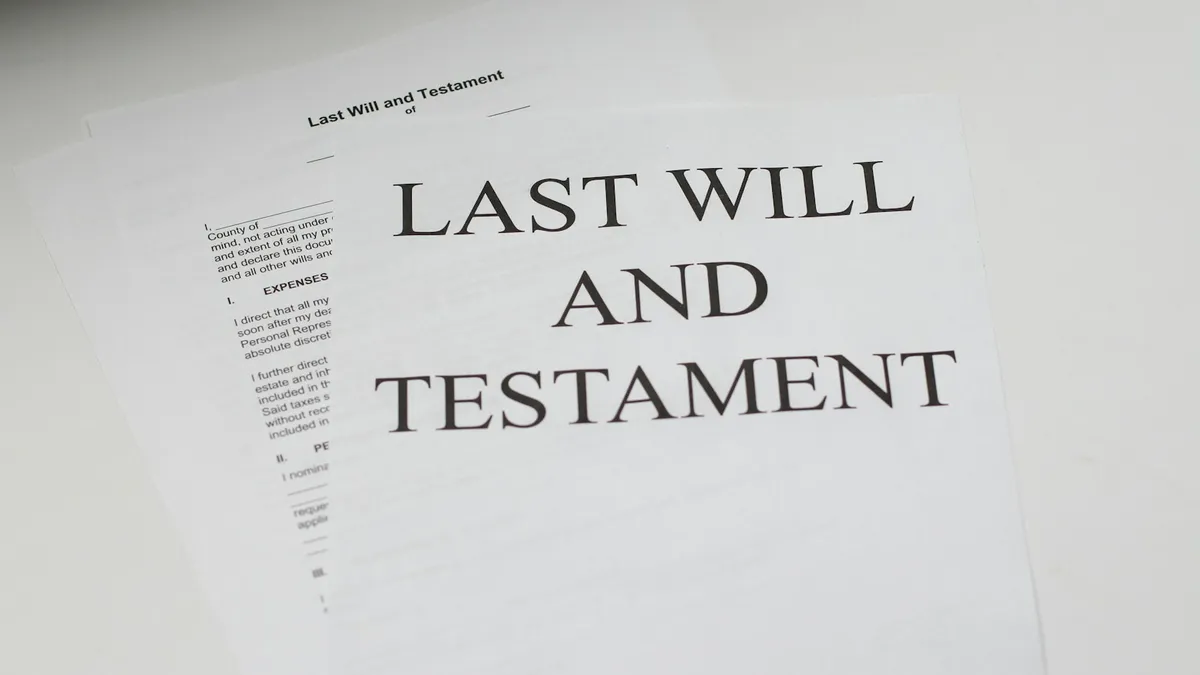
Federal law sets strict conditions. Under 26 U.S. Code Section 2518, a qualified disclaimer must be irrevocable, in writing, and received no later than nine months after the transfer, and the person must not have accepted the interest or any of its benefits.
How Long Do You Have to Disclaim a Timeshare Inheritance?
The federal nine month window is the outer boundary for a qualified disclaimer, and state probate law adds its own separate requirements. Missing that deadline or accepting a benefit first can close the option permanently.
Move quickly and document everything. Use this checklist:
- Locate the deed, contract, and most recent fee statements
- Confirm how the interest was titled at the time of death
- Do not pay fees, use the week, or accept any benefit
- Notify the estate representative in writing of your intent
- Consult an estate attorney about state specific disclaimer rules
- Deliver the written disclaimer within the required window
- Keep copies of every notice, letter, and confirmation
What Happens if No One Wants the Inherited Timeshare?
If every beneficiary disclaims the interest, it passes under the governing documents or under applicable state law. The estate representative then addresses it as estate property, and the resort pursues any unpaid amounts as a claim.
Mini case study: three siblings inherited a deeded week. One paid the annual fee to avoid collection calls, which complicated his position later. The two who refused in writing and kept their hands off the property moved through the process cleanly.
How Can You Get Rid of an Inherited Timeshare?
The realistic paths are a formal disclaimer during the estate process, a deed back or surrender that the developer accepts in writing, a negotiated termination, or professional exit representation when the resort resists cooperating.
Cost pressure makes resolution urgent. The Federal Reserve reported that 58 percent of U.S. adults said price changes over the prior year had made their financial situation worse in 2025, and an inherited fee schedule only compounds that pressure.
Should You Contact the Timeshare Company Before Accepting Ownership?
Yes, but on your terms. Early contact gathers facts you need, while careless wording can signal acceptance of an interest you have not decided to take.
Contact them in writing, and be careful about exactly what you say. Ask what internal programs exist, what the current balance is, and what documentation they require, all without confirming that you accept the interest.
Keep every communication documented. Verbal assurances from a call center carry no weight later, while a written record protects you and becomes useful evidence if the matter moves toward a formal resolution.
When Should You Speak With an Estate or Timeshare Attorney?
Speak with one early, ideally well before any deadline passes. Disclaimer rules, probate procedures, and deed transfer requirements vary by state, and an unwanted timeshare crossing state lines adds another layer to the analysis.

Apply the HEIR Path throughout. Hold off on paying anything. Examine the deed, contract, and titling. Inquire in writing only. Refuse or resolve through a formal process. Four steps, and expert legal support keeps each one documented.
Frequently Asked Questions
Can you inherit a timeshare you never wanted?
You can be named as a beneficiary, but you are never required to accept. A properly executed disclaimer refuses the interest, and federal rules require it in writing within nine months of the transfer.
Are children responsible for a parent's timeshare debt?
Generally no. Consumer Financial Protection Bureau guidance explains that survivors are typically not responsible for a deceased person's debts, which are paid from the estate under state law unless that debt was shared or co-signed.
What happens to timeshare fees during probate?
Fees continue accruing and become claims against the estate itself. The estate representative addresses them alongside other debts, and distributions to beneficiaries occur only after the valid claims are resolved.
Can you sell an inherited timeshare instead?
Sometimes, though resale markets are limited and many contracts restrict transfers. Compare resale realistically against the disclaimer and formal exit options before committing time or money to any listing.
Conclusion
Inherited timeshare obligations are manageable when families act early. Locate the documents, avoid accepting any benefit, understand the disclaimer window, document every contact in writing, and choose a formal resolution rather than letting fees accumulate against the estate.
Timeshare Exit Today, presented by SDS Property Services, serves clients across the U.S. with contract analysis, credit protection, expert legal support, personalized exit strategy, and a 100 percent money back guarantee. Book a free, no obligation consultation to see if you qualify.
blogger
Timeshare Exit Today helps thousands of timeshare owners exit their contracts legally and permanently. Our team provides expert guidance with a 100% money-back guarantee.
Free Consultation